

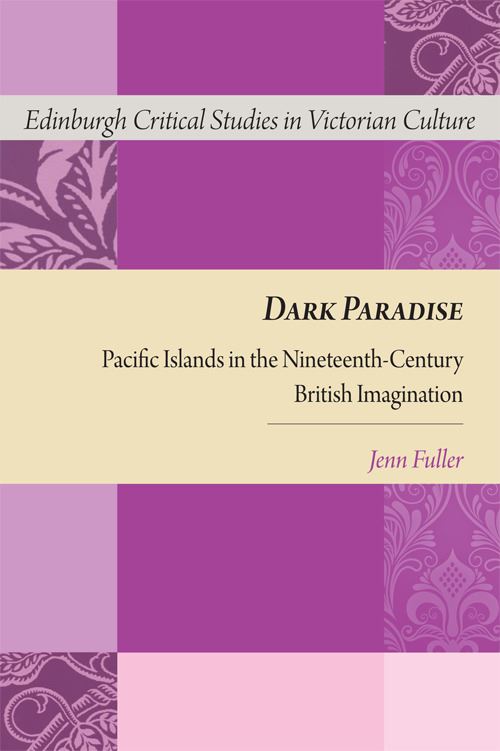
Examines the way in which the British transformed the Pacific islands during the nineteenth century
The discovery of the Pacific islands amplified the qualities of mystery and exoticism already associated with 'foreign' islands. Their 'savage' peoples, their isolation, and their sheer beauty fascinated British visitors across the long nineteenth century. Dark Paradise argues that while the British originally believed the islands to be commercial paradises or perfect sites for missionary endeavours, as the century progressed, their optimistic vision transformed to portray darker realities. As a result, these islands act as a 'breaking point' for British theories of imperialism, colonialism, and identity. The book traces the changing British attitudes towards imperial settlement as the early view of 'island as paradise' gives way to a fear of the hostile islanders and examines how this revelation undermined a key tenant of British imperialism - that they were the 'superior' or 'civilized' islanders.
Key Features
The first monograph to trace the Pacific islands as represented through the lens of British fiction and non-fiction across the long nineteenth centuryExamines texts written by Pacific islanders and published in the British pressSignificantly broadens our understanding of the British Pacific by analysing understudied Pacific texts and authors alongside more canonical works
| ISBN: | 9781474426114 |
| Publication date: | 1st August 2017 |
| Author: | Jenn Fuller |
| Publisher: | Edinburgh University Press |
| Format: | Paperback |
| Pagination: | 256 pages |
| Series: | Edinburgh Critical Studies in Victorian Culture |
| Genres: |
Literary studies: fiction, novelists and prose writers Literary studies: general Literature: history and criticism |
Examines the way in which the British transformed the Pacific islands during the nineteenth centuryThe discovery of the Pacific islands amplified the qualities of mystery and exoticism already associated with 'foreign' islands. Their 'savage' peoples, their isolation, and their sheer beauty fascinated British visitors across the long nineteenth century.
Dark Paradise features in the following genres: Literary studies: fiction, novelists and prose writers, Literary studies: general, Literature: history and criticism
Paperback, Hardback. £23.39, down from the £25.99 cover price. Not Available.
Dark Paradise was written by Jenn Fuller and published by Edinburgh University Press
Dark Paradise has 256 pages
Yes it is part of Edinburgh Critical Studies in Victorian Culture series
£23.39, reduced from £25.99. Not Available.