

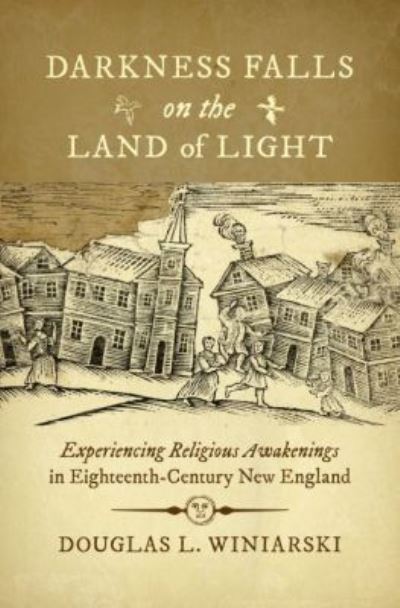
This sweeping history of popular religion in eighteenth-century NewEngland examines the experiences of ordinary people living throughextraordinary times. Drawing on an unprecedented quantity of letters, diaries,and testimonies, Douglas Winiarski recovers the pervasive and vigorouslay piety of the early eighteenth century. George Whitefield's preaching tourof 1740 called into question the fundamental assumptions of this thrivingreligious culture. Incited by Whitefield and fascinated by miraculous giftsof the Holy Spirit-visions, bodily fits, and sudden conversions-countlessNew Englanders broke ranks with family, neighbours, and ministers whodismissed their religious experiences as delusive enthusiasm. These new converts,the progenitors of today's evangelical movement, bitterly assaulted theCongregational establishment.
The 1740s and 1750s were the dark night of the New England soul, asmen and women groped toward a restructured religious order. Conflicttransformed inclusive parishes into exclusive networks of combative spiritualseekers. Then as now, evangelicalism emboldened ordinary people to questiontraditional authorities. Their challenge shattered whole communities.
| ISBN: | 9781469628264 |
| Publication date: | 28th February 2017 |
| Author: | Douglas Leo Winiarski, Omohundro Institute of Early American History Culture |
| Publisher: | The University of North Carolina Press |
| Format: | Hardback |
| Pagination: | 608 pages |
| Series: | Published by the Omohundro Institute of Early American History and Culture and the University of North Carolina Press |
| Genres: |
History of religion Religious mission and Religious Conversion Social groups: religious groups and communities Spirituality and religious experience Christianity |
This sweeping history of popular religion in eighteenth-century NewEngland examines the experiences of ordinary people living throughextraordinary times. Drawing on an unprecedented quantity of letters, diaries,and testimonies, Douglas Winiarski recovers the pervasive and vigorouslay piety of the early eighteenth century. George Whitefield's preaching tourof 1740 called into question the fundamental assumptions of this thrivingreligious culture. Incited by Whitefield and fascinated by miraculous giftsof the Holy Spirit-visions, bodily fits, and sudden conversions-countlessNew Englanders broke ranks with family, neighbours, and ministers whodismissed their religious experiences as delusive enthusiasm. These new converts,the progenitors of today's evangelical movement, bitterly assaulted theCongregational establishment.
The 1740s and 1750s were the dark night of the New England soul, asmen and women groped toward a restructured religious order. Conflicttransformed inclusive parishes into exclusive networks of combative spiritualseekers. Then as now, evangelicalism emboldened ordinary people to questiontraditional authorities. Their challenge shattered whole communities.
Darkness Falls on the Land of Light features in the following genres: History of religion, Religious mission and Religious Conversion, Social groups: religious groups and communities, Spirituality and religious experience, Christianity
Darkness Falls on the Land of Light is available in Hardback
Darkness Falls on the Land of Light was written by Douglas Leo Winiarski, Omohundro Institute of Early American History Culture and published by The University of North Carolina Press
Darkness Falls on the Land of Light has 608 pages