

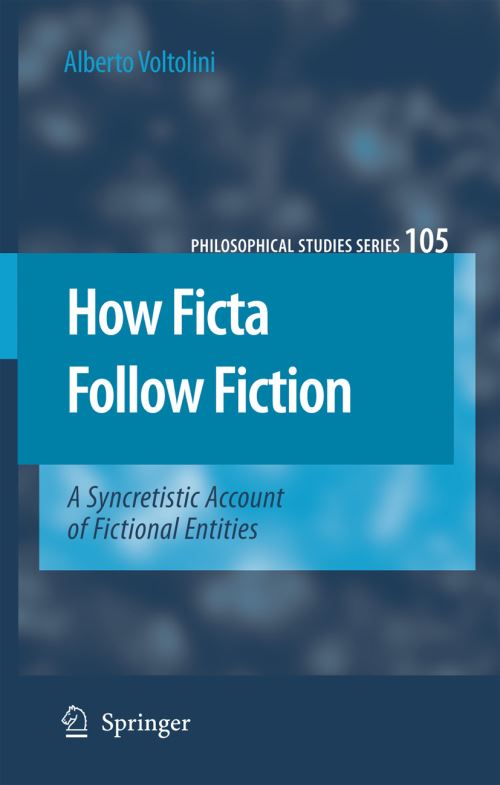
This book is devoted to fictional entities or, to be more precise, fictional entities as they emerge from the literary process of storytelling. They encompass the great immortal figures in human literature-Don Quixote, Faust, Sherlock Holmes and so on-as well as the protagonists of single novels such as Anna Karenina, Emma Woodhouse and Emma Bovary and even the unknown characters in the oral tradition of storytelling developed by small communities of people for their own entertainment.
This is p- sumably how Achilles, Penelope and Ulysses originated. We must also include among these figures mythological characters such as Apollo, Odin and Zeus, regardless of the fact that they were originally thought to be supernatural beings rather than fictional individuals. The subject of this book is not new, which may make it seem less appe- ing to a prospective reader-just one more book on fictional entities.
Yet I would argue that this apparent drawback is fundamental to the purpose of the book, which is to present a syncretistic doctrine of fictional entities. In other words, it is a theory which firmly acknowledges that the various other theories already developed on this subject have great merits. Their main flaw, however, is not that they are wrong but, rather, that they are inc- plete.
Accordingly, they are not to be put to one side; instead, they need to be integrated into a single theory that aims both to maintain their positive results and to overcome their defects.
| ISBN: | 9781402051463 |
| Publication date: | 29th November 2006 |
| Author: | Alberto Voltolini |
| Publisher: | Springer an imprint of Springer Netherlands |
| Format: | Hardback |
| Pagination: | 280 pages |
| Series: | Philosophical Studies Series |
| Genres: |
Philosophy: metaphysics and ontology Philosophy of language |
This book is devoted to fictional entities or, to be more precise, fictional entities as they emerge from the literary process of storytelling. They encompass the great immortal figures in human literature-Don Quixote, Faust, Sherlock Holmes and so on-as well as the protagonists of single novels such as Anna Karenina, Emma Woodhouse and Emma Bovary and even the unknown characters in the oral tradition of storytelling developed by small communities of people for their own entertainment.
How Ficta Follow Fiction features in the following genres: Philosophy: metaphysics and ontology, Philosophy of language
Paperback, Hardback, Ebook. Not Available.
How Ficta Follow Fiction was written by Alberto Voltolini and published by Springer an imprint of Springer Netherlands
How Ficta Follow Fiction has 280 pages
Yes it is part of Philosophical Studies Series series