

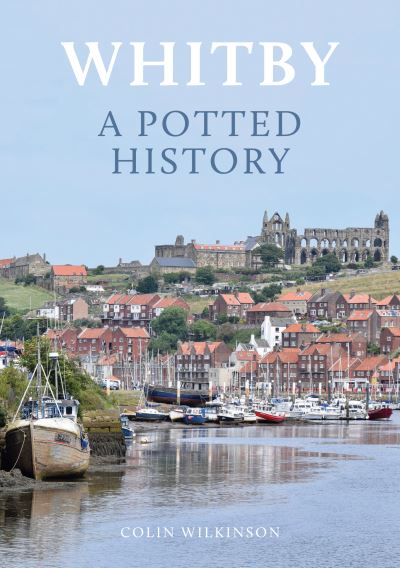
Whitby has a fascinating history, changing roles over the centuries from a religious centre to one of the country's most important ports and later a resort. The king of Northumbria founded the monastery on the headland in the seventh century and installed St Hilda as the first abbess. Although it was abandoned following attacks by Danish raiders who later settled in the area, the abbey was re-established by the Normans.
Following Henry VIII's Dissolution of the Monasteries, the harbour and new industries were developed in Whitby, including alum mining, shipbuilding and transporting coal. Captain James Cook's ships Endeavour and Resolution were originally Whitby colliers. Shipowners, merchants and shipbuilders settled in Whitby and built grand houses, alongside the more humble dwellings of those who worked in the port or local industries.
The town was also known for its whaling fleet and the production of jet jewellery. From the eighteenth century the town began to be developed as a resort, with more visitors arriving in the nineteenth century when the railway was built, and today is a popular tourist destination. Through successive centuries the author looks at what has shaped Whitby's history.
Illustrated throughout, this accessible historical portrait of the transformation that Whitby has undergone through the ages will be of great interest to residents, visitors and all those with links to the town.
| ISBN: | 9781398107465 |
| Publication date: | 15th June 2022 |
| Author: | Colin Wilkinson |
| Publisher: | Amberley Publishing |
| Format: | Paperback |
| Pagination: | 96 pages |
| Series: | A Potted History |
| Genres: |
Local and family history, nostalgia Local history |
Whitby has a fascinating history, changing roles over the centuries from a religious centre to one of the country's most important ports and later a resort. The king of Northumbria founded the monastery on the headland in the seventh century and installed St Hilda as the first abbess.
Whitby features in the following genres: Local and family history, nostalgia, Local history
Paperback. £14.39, down from the £15.99 cover price. In Stock.
Whitby was written by Colin Wilkinson and published by Amberley Publishing
Whitby has 96 pages
Yes it is part of A Potted History series
£14.39, reduced from £15.99. In Stock.