

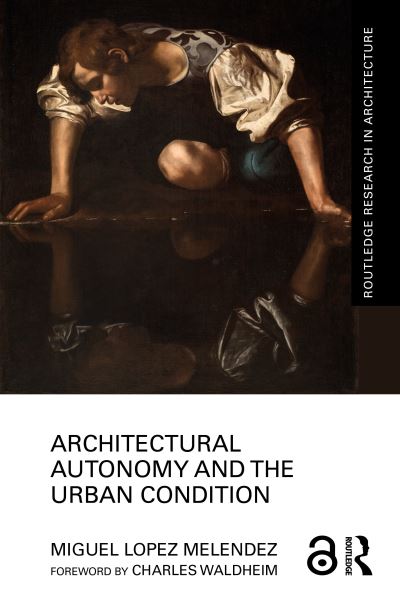
Architectural Autonomy and the Urban Condition revisits a controversial theme in architectural theory and history. This book reframes "autonomy" as a cultural issue rather than a purely disciplinary debate centered on architectural form. It offers the first urban formulation of "autonomy" by tracing philosophical, artistic, and political histories of the term while challenging narcissistic tendencies of architectural autonomy.
This volume examines the forgotten urban genesis of the autonomy of architecture during the interwar period and surveys the writings and projects of Peter Eisenman and Aldo Rossi, who redefined the disciplinary parameters of architecture amid the cultural unrest of the 1960s and 1970s. It contrasts the North American focus on formal concerns with the Italian commitment to urban realities. Stepping back from the polarization between critical theory and post-critical discourse, this book proposes a projective theory that is sensitive but not subservient to cultural processes-an operative theory that envisions the world as it ought to be rather than merely accepting it as it is.
This volume vindicates the cultural sensibility of critical design frameworks in an urban age in which urgent solutions often eclipse the reflection of theory and the patience of research. It will appeal to scholars and researchers in architecture and urbanism who are interested in the relationship of architecture with philosophy, political theory, and art.
| ISBN: | 9781041239819 |
| Publication date: | 15th July 2026 |
| Author: | Miguel Lopez Melendez |
| Publisher: | Routledge an imprint of Taylor & Francis |
| Format: | Hardback |
| Pagination: | 214 pages |
| Series: | Routledge Research in Architecture |
| Genres: |
Theory of architecture Philosophy: aesthetics History of architecture Regional and area planning Civil engineering, surveying and building |
Architectural Autonomy and the Urban Condition revisits a controversial theme in architectural theory and history. This book reframes "autonomy" as a cultural issue rather than a purely disciplinary debate centered on architectural form. It offers the first urban formulation of "autonomy" by tracing philosophical, artistic, and political histories of the term while challenging narcissistic tendencies of architectural autonomy.
This volume examines the forgotten urban genesis of the autonomy of architecture during the interwar period and surveys the writings and projects of Peter Eisenman and Aldo Rossi, who redefined the disciplinary parameters of architecture amid the cultural unrest of the 1960s and 1970s. It contrasts the North American focus on formal concerns with the Italian commitment to urban realities. Stepping back from the polarization between critical theory and post-critical discourse, this book proposes a projective theory that is sensitive but not subservient to cultural processes-an operative theory that envisions the world as it ought to be rather than merely accepting it as it is.
This volume vindicates the cultural sensibility of critical design frameworks in an urban age in which urgent solutions often eclipse the reflection of theory and the patience of research. It will appeal to scholars and researchers in architecture and urbanism who are interested in the relationship of architecture with philosophy, political theory, and art.
Architectural Autonomy and the Urban Condition features in the following genres: Theory of architecture, Philosophy: aesthetics, History of architecture, Regional and area planning, Civil engineering, surveying and building
Architectural Autonomy and the Urban Condition is available in Hardback
Architectural Autonomy and the Urban Condition was written by Miguel Lopez Melendez and published by Routledge an imprint of Taylor & Francis
Architectural Autonomy and the Urban Condition has 214 pages
Yes it is part of Routledge Research in Architecture series
£139.50