

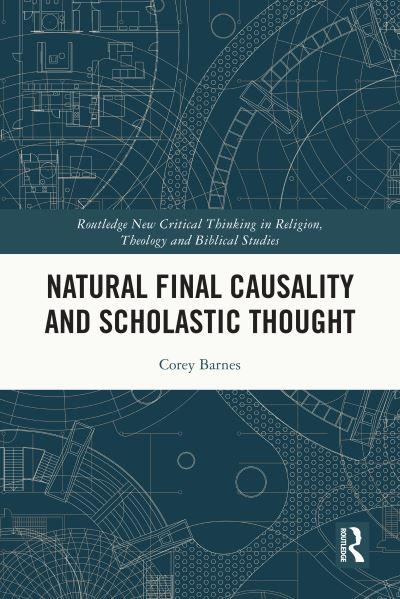
This book examines scholastic conceptions of final causality through the methods and concerns of historical theology. It argues the history of final causality is most profitably understood according to the interplay of regularity, order, and intentionality as interpretive categories. Within this analytic framework, the author explores the history and theological implications of final causality from Aristotle to Nicole Oresme, utilizing shifts in the dominant interpretive category to clarify how final causality could change from one of four co-equal explanatory strategies in Aristotle to the cause of causes in Avicenna to a merely metaphorical cause in Walter Chatton. Theological debates - ranging from questions of creation, the relationship of primary and secondary causality and of the ultimate good to secondary goods, the autonomy or instrumentality of nature, and the compatibility of chance with providence - motivated many of these changes. The chapters examine final causality in Aristotle and the commentorial tradition from late antiquity to medieval Arabic sources and then consider in detail various scholastic understandings and uses of final causality. The book will be of particular interest to scholars of historical theology, systematic theology, scholastic thought, and medieval philosophy.
| ISBN: | 9781032772004 |
| Publication date: | 26th December 2025 |
| Author: | Corey Barnes |
| Publisher: | Routledge an imprint of Taylor & Francis |
| Format: | Paperback |
| Pagination: | 262 pages |
| Series: | Routledge New Critical Thinking in Religion, Theology and Biblical Studies |
| Genres: |
Christianity Medieval Western philosophy Philosophy of religion History of religion |
This book examines scholastic conceptions of final causality through the methods and concerns of historical theology. It argues the history of final causality is most profitably understood according to the interplay of regularity, order, and intentionality as interpretive categories. Within this analytic framework, the author explores the history and theological implications of final causality from Aristotle to Nicole Oresme, utilizing shifts in the dominant interpretive category to clarify how final causality could change from one of four co-equal explanatory strategies in Aristotle to the cause of causes in Avicenna to a merely metaphorical cause in Walter Chatton. Theological debates - ranging from questions of creation, the relationship of primary and secondary causality and of the ultimate good to secondary goods, the autonomy or instrumentality of nature, and the compatibility of chance with providence - motivated many of these changes. The chapters examine final causality in Aristotle and the commentorial tradition from late antiquity to medieval Arabic sources and then consider in detail various scholastic understandings and uses of final causality. The book will be of particular interest to scholars of historical theology, systematic theology, scholastic thought, and medieval philosophy.
Natural Final Causality and Scholastic Thought features in the following genres: Christianity, Medieval Western philosophy, Philosophy of religion, History of religion
Natural Final Causality and Scholastic Thought is available in Paperback
Natural Final Causality and Scholastic Thought was written by Corey Barnes and published by Routledge an imprint of Taylor & Francis
Natural Final Causality and Scholastic Thought has 262 pages
Yes it is part of Routledge New Critical Thinking in Religion, Theology and Biblical Studies series
£41.39