

| ISBN: | 9780822316633 |
| Publication date: | 22nd August 1995 |
| Author: | Jack Halberstam |
| Publisher: | Duke University Press |
| Format: | Paperback |
| Pagination: | 232 pages |
| Genres: |
Film history, theory or criticism Medicine: general issues |
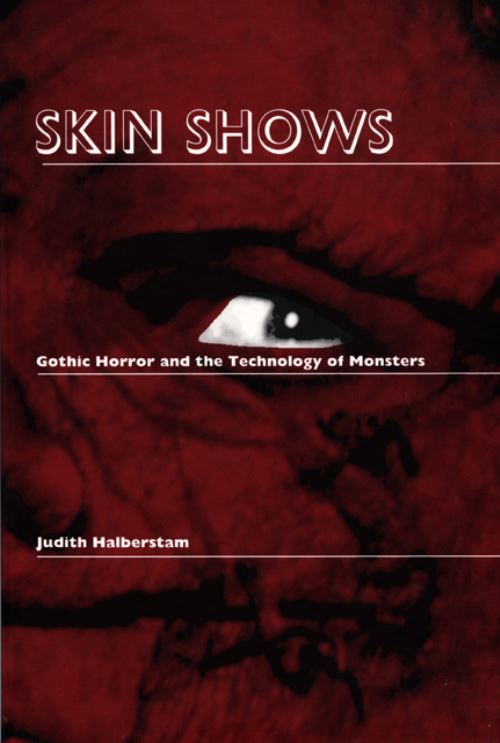
In this examination of the monster as cultural object, Judith Halberstam offers a rereading of the monstrous that revises our view of the Gothic. Moving from the nineteenth century and the works of Shelley, Stevenson, Stoker, and Wilde to contemporary horror film exemplified by such movies as Silence of the Lambs, Texas Chainsaw Massacre, and Candyman, Skin Shows understands the Gothic as a versatile technology, a means of producing monsters that is constantly being rewritten by historically and culturally conditioned fears generated by a shared sense of otherness and difference.Deploying feminist and queer approaches to the monstrous body, Halberstam views the Gothic as a broad-based cultural phenomenon that supports and sustains the economic, social, and sexual hierarchies of the time.
Skin Shows features in the following genres: Film history, theory or criticism, Medicine: general issues
Paperback. £17.99, down from the £19.99 cover price. Not Available.
Skin Shows was written by Jack Halberstam and published by Duke University Press
Skin Shows has 232 pages
£17.99, reduced from £19.99. Not Available.