

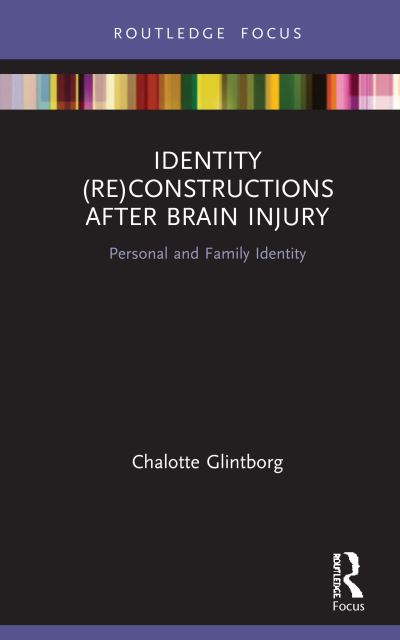
Identity (Re)constructions After Brain Injury: Personal and Family Identity investigates how being diagnosed with acquired brain injury (ABI) impacts identity (re)construction in both adults with ABI and their close relatives.
To show how being diagnosed with ABI impacts identity (re)construction, this book investigates key patterns of identity construction. Discourse analysis, especially on the concept of positioning, provides an understanding of the changes and developmental processes in these self-narratives. These narrative (re)constructions point to a developmental change of identity in the course of the different phases of the recovery process for both persons with ABI and their relatives, including conflicting voices from society, service providers, relatives, and other adults with ABI.
In addition, the (re)construction process is characterized by much ambivalence in both ABI survivors and relatives.
Three perspectives are triangulated: (1) an insider perspective from ABI survivors; (2) an insider perspective from relatives; and (3) an outsider perspective from the researchers. This allows us to see how identities are negotiated and constructed in concrete situations. This innovative book will be required reading for all students and academics working in the fields of disability studies, rehabilitation psychology, sociology, allied health, and social care.
| ISBN: | 9780815395546 |
| Publication date: | 29th May 2019 |
| Author: | Chalotte Glintborg |
| Publisher: | Routledge an imprint of Taylor & Francis |
| Format: | Hardback |
| Pagination: | 124 pages |
| Series: | Interdisciplinary Disability Studies |
| Genres: |
Personal and public health / health education Disability: social aspects Sociology Physiological and neuro-psychology, biopsychology |
Identity (Re)constructions After Brain Injury: Personal and Family Identity investigates how being diagnosed with acquired brain injury (ABI) impacts identity (re)construction in both adults with ABI and their close relatives. To show how being diagnosed with ABI impacts identity (re)construction, this book investigates key patterns of identity construction.
Identity (Re)constructions After Brain Injury features in the following genres: Personal and public health / health education, Disability: social aspects, Sociology, Physiological and neuro-psychology, biopsychology
Hardback, Ebook. £49.49, down from the £54.99 cover price. Not Available.
Identity (Re)constructions After Brain Injury was written by Chalotte Glintborg and published by Routledge an imprint of Taylor & Francis
Identity (Re)constructions After Brain Injury has 124 pages
Yes it is part of Interdisciplinary Disability Studies series
£49.49, reduced from £54.99. Not Available.