

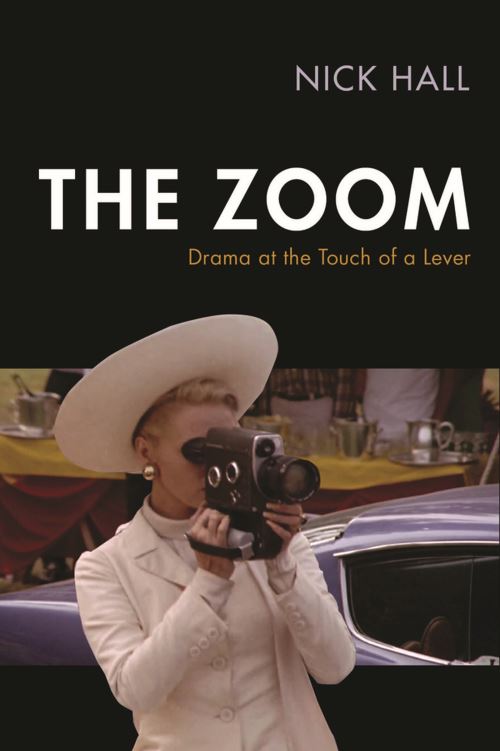
From the queasy zooms in Alfred Hitchcock's Vertigo to the avant-garde mystery of Michael Snow's Wavelength, from the excitement of televised baseball to the drama of the political convention, the zoom shot is instantly recognizable and highly controversial. In The Zoom, Nick Hall traces the century-spanning history of the zoom lens in American film and television. From late 1920s silent features to the psychedelic experiments of the 1960s and beyond, the book describes how inventors battled to provide film and television studios with practical zoom lenses, and how cinematographers clashed over the right ways to use the new zooms.
Hall demonstrates how the zoom brought life and energy to cinema decades before the zoom boom of the 1970s and reveals how the zoom continues to play a vital and often overlooked role in the production of contemporary film and television.
| ISBN: | 9780813587219 |
| Publication date: | 11th May 2018 |
| Author: | Nick Hall |
| Publisher: | Rutgers University Press |
| Format: | Hardback |
| Pagination: | 226 pages |
| Series: | Techniques of the Moving Image |
| Genres: |
Film history, theory or criticism Filmmaking and production: technical and background skills Television production: technical and background skills Media studies Television Performing arts |
From the queasy zooms in Alfred Hitchcock's Vertigo to the avant-garde mystery of Michael Snow's Wavelength, from the excitement of televised baseball to the drama of the political convention, the zoom shot is instantly recognizable and highly controversial. In The Zoom, Nick Hall traces the century-spanning history of the zoom lens in American film and television.
The Zoom features in the following genres: Film history, theory or criticism, Filmmaking and production: technical and background skills, Television production: technical and background skills, Media studies, Television, Performing arts
Hardback, Paperback. Not Available.
The Zoom was written by Nick Hall and published by Rutgers University Press
The Zoom has 226 pages
Yes it is part of Techniques of the Moving Image series