

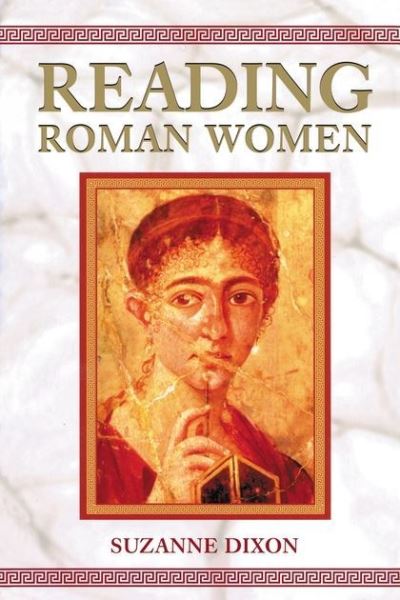
Roman women were either luxurious sluts or domestic paragons - at least according to the elite men who wrote Roman history and poetry. These authors, preoccupied with masculine pursuits, introduced women into their works to make a moral point. Even Roman tombstones and the law showcase feminine virtues and reflect biases about "female nature". We also have our own prejudices about ancient Rome and Roman women. Derived from film, television and sensational novels, these prejudices affect the way we "read" the ancient material. So how do we retrieve the lives of "real women"?
This book presents a range of examples to support the argument that our ideas of what we "know" about women's work, sexuality, commerce and political activity in the Roman world have been shaped by the format, or genre, of each ancient source. She suggests ways in which we can read the evidence (including what is left out) more critically.
She considers legendary heroines like Verginia and Lucretia and what they tell us about Roman attitudes to rape and women's chastity; she looks sympathetically on notorious bad girls like Clodia and Messalina and tries to retrieve less spectacular women from the meagre non-literary sources. She introduces us to a huge cast of Roman women, not only the larger-than-life decadents of the Roman orgy, but the small traders of Ostia, the spinners, prostitutes and barmaids celebrated in Pompeian graffiti and the prosperous businesswomen and landowners of Rome and the Bay of Naples.
| ISBN: | 9780715629819 |
| Publication date: | 21st June 2001 |
| Author: | Suzanne Dixon |
| Publisher: | Bristol Classical Press an imprint of Bloomsbury Publishing |
| Format: | Paperback |
| Pagination: | 242 pages |
| Genres: |
Literary studies: ancient, classical and medieval European history Ancient history Feminism and feminist theory |
Roman women were either luxurious sluts or domestic paragons - at least according to the elite men who wrote Roman history and poetry. These authors, preoccupied with masculine pursuits, introduced women into their works to make a moral point. Even Roman tombstones and the law showcase feminine virtues and reflect biases about "female nature". We also have our own prejudices about ancient Rome and Roman women. Derived from film, television and sensational novels, these prejudices affect the way we "read" the ancient material. So how do we retrieve the lives of "real women"?
This book presents a range of examples to support the argument that our ideas of what we "know" about women's work, sexuality, commerce and political activity in the Roman world have been shaped by the format, or genre, of each ancient source. She suggests ways in which we can read the evidence (including what is left out) more critically.
She considers legendary heroines like Verginia and Lucretia and what they tell us about Roman attitudes to rape and women's chastity; she looks sympathetically on notorious bad girls like Clodia and Messalina and tries to retrieve less spectacular women from the meagre non-literary sources. She introduces us to a huge cast of Roman women, not only the larger-than-life decadents of the Roman orgy, but the small traders of Ostia, the spinners, prostitutes and barmaids celebrated in Pompeian graffiti and the prosperous businesswomen and landowners of Rome and the Bay of Naples.
Reading Roman Women features in the following genres: Literary studies: ancient, classical and medieval, European history, Ancient history, Feminism and feminist theory
Reading Roman Women is available in Paperback
Reading Roman Women was written by Suzanne Dixon and published by Bristol Classical Press an imprint of Bloomsbury Publishing
Reading Roman Women has 242 pages