

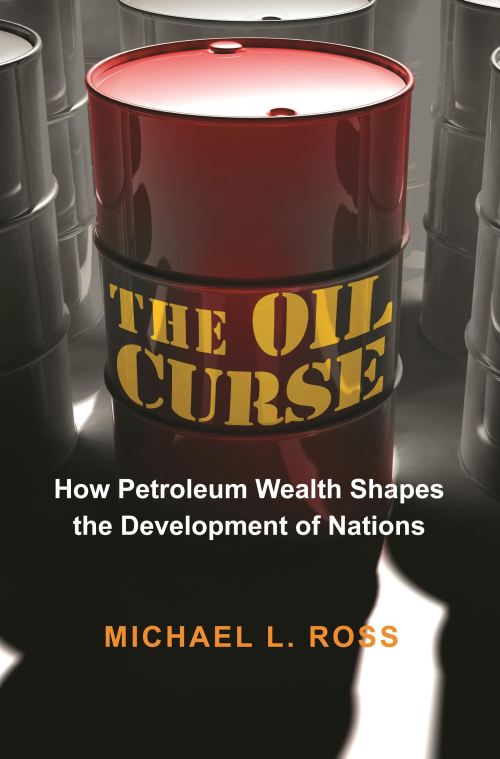
Explaining-and solving-the oil curse in the developing world
Countries that are rich in petroleum have less democracy, less economic stability, and more frequent civil wars than countries without oil. What explains this oil curse? And can it be fixed? In this groundbreaking analysis, Michael L. Ross looks at how developing nations are shaped by their mineral wealth-and how they can turn oil from a curse into a blessing.
Ross traces the oil curse to the upheaval of the 1970s, when oil prices soared and governments across the developing world seized control of their countries' oil industries. Before nationalization, the oil-rich countries looked much like the rest of the world; today, they are 50 percent more likely to be ruled by autocrats-and twice as likely to descend into civil war-than countries without oil.
The Oil Curse shows why oil wealth typically creates less economic growth than it should; why it produces jobs for men but not women; and why it creates more problems in poor states than in rich ones. It also warns that the global thirst for petroleum is causing companies to drill in increasingly poor nations, which could further spread the oil curse.
This landmark book explains why good geology often leads to bad governance, and how this can be changed.
| ISBN: | 9780691159638 |
| Publication date: | 13th September 2013 |
| Author: | Michael Ross |
| Publisher: | Princeton University Press |
| Format: | Paperback |
| Pagination: | 312 pages |
| Genres: |
Political economy Development studies Development economics and emerging economies Politics and government |
Explaining-and solving-the oil curse in the developing worldCountries that are rich in petroleum have less democracy, less economic stability, and more frequent civil wars than countries without oil. What explains this oil curse?
The Oil Curse features in the following genres: Political economy, Development studies, Development economics and emerging economies, Politics and government
Paperback. £22.50, down from the £25.00 cover price. Not Available.
The Oil Curse was written by Michael Ross and published by Princeton University Press
The Oil Curse has 312 pages
£22.50, reduced from £25.00. Not Available.