

| ISBN: | 9780520228542 |
| Publication date: | 30th January 2002 |
| Author: | Julia Adeney Thomas |
| Publisher: | University of California Press |
| Format: | Hardback |
| Pagination: | 239 pages |
| Series: | Twentieth-Century Japan |
| Genres: |
Asian history |
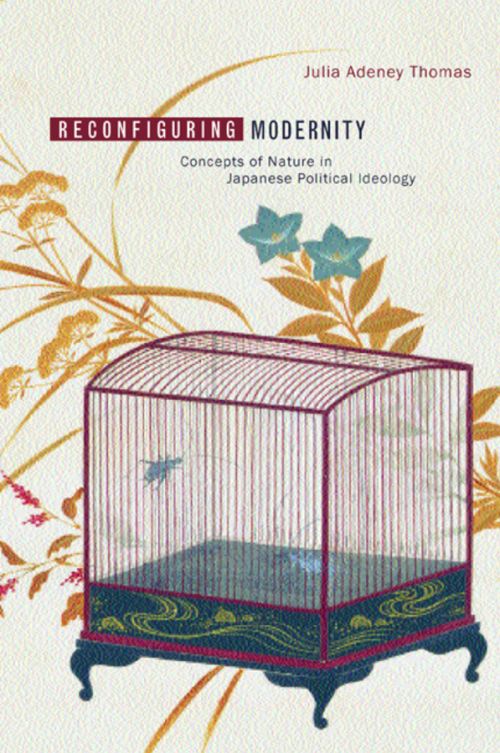
Julia Adeney Thomas turns the concept of nature into a powerful analytical lens through which to view Japanese modernity, bringing the study of both Japanese history and political modernity to a new level of clarity. She shows that nature necessarily functions as a political concept and that changing ideas of nature's political authority were central during Japan's transformation from a semifeudal world to an industrializing colonial empire.
Reconfiguring Modernity features in the following genres: Asian history
Hardback, Ebook. Not Available.
Reconfiguring Modernity was written by Julia Adeney Thomas and published by University of California Press
Reconfiguring Modernity has 239 pages
Yes it is part of Twentieth-Century Japan series