

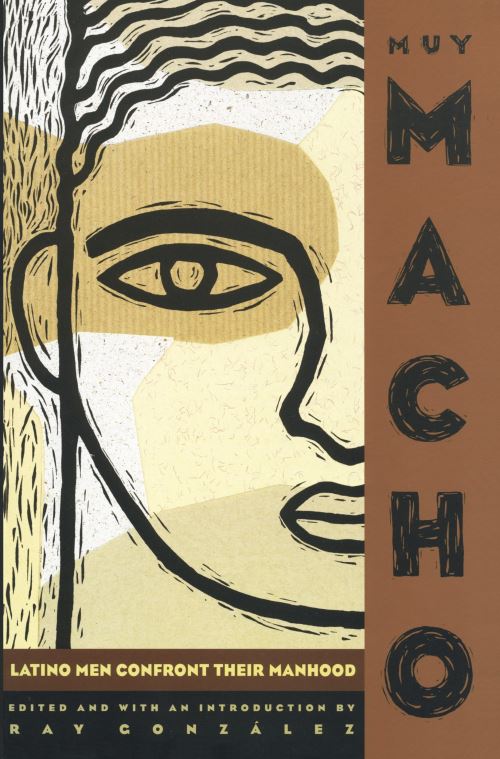
From the Homeboy to the Latin Lover, America cherishes a host of images about Latino men, yet all are based on the belief in macho men, virile and brash, full of violence and testosterone. With the gender correctness of the 90s challenging all men to embrace a new masculinity, how do Latino men of today--grounded in the "macho" tradition -- define this new identity?
From today's best-known, as well as emerging, Latino writers, poet and editor Ray Gonzalez has gathered personal essays written especially for Muy Macho on machismo and masculinity. The result is a rich and exciting collection of men talking about themselves, about other men, about their wives and lovers, about their fathers and their sons.
In "Me Macho, You Jane," Dagoberto Gilb contrasts how he perceives himself with how others, particularly women, interpret his behavior, while in "Whores," Luis Alberto Urrea chronicles a rite of passage for many Latino men. Most insightful and moving are essays like "The Puerto Rican Dummy and the Merciful Son" by poet Martin Espada, which portray the fragile love between fathers and sons and the process by which men learn from and teach each other how to be men.
Muy Macho contains photographs of all contributors, while Gonzalez illuminates the cultural context of Latino masculinity in his introduction. Emotionally honest and powerfully written, the voices of Muy Macho break the "cult of silence" between Latino men which prevents our culture from understanding the true nature of machismo.
| ISBN: | 9780385478618 |
| Publication date: | 1st May 1996 |
| Author: | Ray González |
| Publisher: | Anchor Books an imprint of Knopf Doubleday Publishing Group |
| Format: | Paperback |
| Pagination: | 256 pages |
| Genres: |
Ethnic studies Gender studies: men and boys Social theory |
From the Homeboy to the Latin Lover, America cherishes a host of images about Latino men, yet all are based on the belief in macho men, virile and brash, full of violence and testosterone. With the gender correctness of the 90s challenging all men to embrace a new masculinity, how do Latino men of today--grounded in the "macho" tradition -- define this new identity?From today's best-known, as well as emerging, Latino writers, poet and editor Ray Gonzalez has gathered personal essays written especially for Muy Macho on machismo and masculinity.
Muy Macho features in the following genres: Ethnic studies, Gender studies: men and boys, Social theory
Paperback. Not Available.
Muy Macho was written by Ray González and published by Anchor Books an imprint of Knopf Doubleday Publishing Group
Muy Macho has 256 pages