

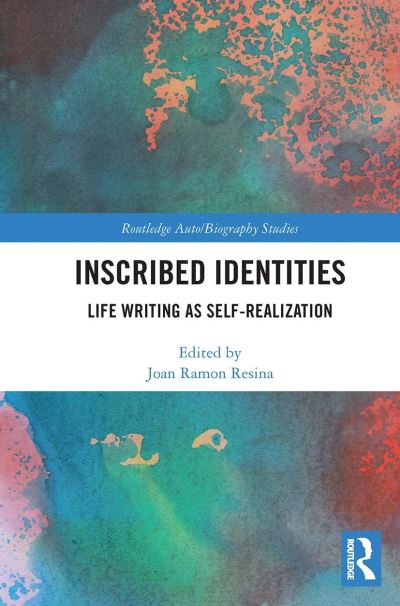
Autobiography is a long-established literary modality of self-exposure with commanding works such as Augustine's Confessions, Rousseau's book of the same title, and Salvador Dalì's paradoxical reformulation of that title in his Unspeakable Confessions. Like all genres with a distinguished career, autobiography has elicited a fair amount of critical and theoretical reflection. Classic works by Käte Hamburger and Philippe Lejeune in the 1960s and 70s articulated distinctions and similarities between fiction and the genre of personal declaration. Especially since Foucault's seminal essay on "Self Writing," self-production through writing has become more versatile, gaining a broader range of expression, diversifying its social function, and colonizing new media of representation. For this reason, it seems appropriate to speak of life-writing as a concept that includes but is not limited to classic autobiography. Awareness of language's performativity permits us to read life-writing texts not as a record but as the space where the self is realized, or in some instances de-realized. Such texts can build identity, but they can also contest ascribed identity by producing alternative or disjointed scenarios of identification. And they not only relate to the present, but may also act upon the past by virtue of their retrospective effects in the confluence of narrator and witness.
| ISBN: | 9780367662691 |
| Publication date: | 30th September 2020 |
| Author: | Joan Ramon Resina |
| Publisher: | Routledge an imprint of Taylor & Francis |
| Format: | Paperback |
| Pagination: | 232 pages |
| Series: | Routledge Auto/biography Studies |
| Genres: |
Feminism and feminist theory Literary studies: c 1900 to c 2000 Literary theory |
Autobiography is a long-established literary modality of self-exposure with commanding works such as Augustine's Confessions, Rousseau's book of the same title, and Salvador Dalì's paradoxical reformulation of that title in his Unspeakable Confessions. Like all genres with a distinguished career, autobiography has elicited a fair amount of critical and theoretical reflection.
Inscribed Identities features in the following genres: Feminism and feminist theory, Literary studies: c 1900 to c 2000, Literary theory
Paperback, Hardback. £44.99, down from the £49.99 cover price. Not Available.
Inscribed Identities was written by Joan Ramon Resina and published by Routledge an imprint of Taylor & Francis
Inscribed Identities has 232 pages
Yes it is part of Routledge Auto/biography Studies series
£44.99, reduced from £49.99. Not Available.