

How the American High Commissioner for Germany set in motion a process that resulted in every non-death-row-inmate walking free after the Nuremberg trials
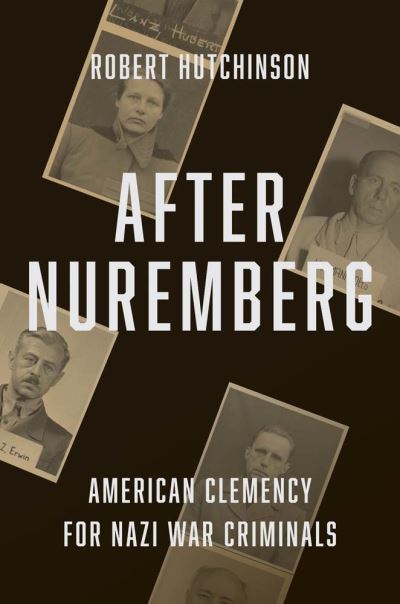
After Nuremberg is about the fleeting nature of American punishment for German war criminals convicted at the twelve Nuremberg trials of 1946-1949. Because of repeated American grants of clemency and parole, ninety-seven of the 142 Germans convicted at the Nuremberg trials, many of them major offenders, regained their freedom years, sometimes decades, ahead of schedule. High-ranking Nazi plunderers, kidnappers, slave laborers, and mass murderers all walked free by 1958. High Commissioner for Occupied Germany John J. McCloy and his successors articulated a vision of impartial American justice as inspiring and legitimizing their actions, as they concluded that German war criminals were entitled to all the remedies American laws offered to better their conditions and reduce their sentences.
Based on extensive archival research (including newly declassified material), this book explains how American policy makers' best intentions resulted in a series of decisions from 1949-1958 that produced a self-perpetuating bureaucracy of clemency and parole that "rehabilitated" unrepentant German abettors and perpetrators of theft, slavery, and murder while lending salience to the most reactionary elements in West German political discourse.
| ISBN: | 9780300255300 |
| Publication date: | 6th January 2023 |
| Author: | Robert Hutchinson |
| Publisher: | Yale University Press |
| Format: | Hardback |
| Pagination: | 352 pages |
| Genres: |
History of the Americas History and Archaeology The Holocaust International law |
How the American High Commissioner for Germany set in motion a process that resulted in every non-death-row-inmate walking free after the Nuremberg trials
After Nuremberg is about the fleeting nature of American punishment for German war criminals convicted at the twelve Nuremberg trials of 1946-1949. Because of repeated American grants of clemency and parole, ninety-seven of the 142 Germans convicted at the Nuremberg trials, many of them major offenders, regained their freedom years, sometimes decades, ahead of schedule. High-ranking Nazi plunderers, kidnappers, slave laborers, and mass murderers all walked free by 1958. High Commissioner for Occupied Germany John J. McCloy and his successors articulated a vision of impartial American justice as inspiring and legitimizing their actions, as they concluded that German war criminals were entitled to all the remedies American laws offered to better their conditions and reduce their sentences.
Based on extensive archival research (including newly declassified material), this book explains how American policy makers' best intentions resulted in a series of decisions from 1949-1958 that produced a self-perpetuating bureaucracy of clemency and parole that "rehabilitated" unrepentant German abettors and perpetrators of theft, slavery, and murder while lending salience to the most reactionary elements in West German political discourse.
After Nuremberg features in the following genres: History of the Americas, History and Archaeology, The Holocaust, International law
After Nuremberg is available in Hardback
After Nuremberg was written by Robert Hutchinson and published by Yale University Press
After Nuremberg has 352 pages