

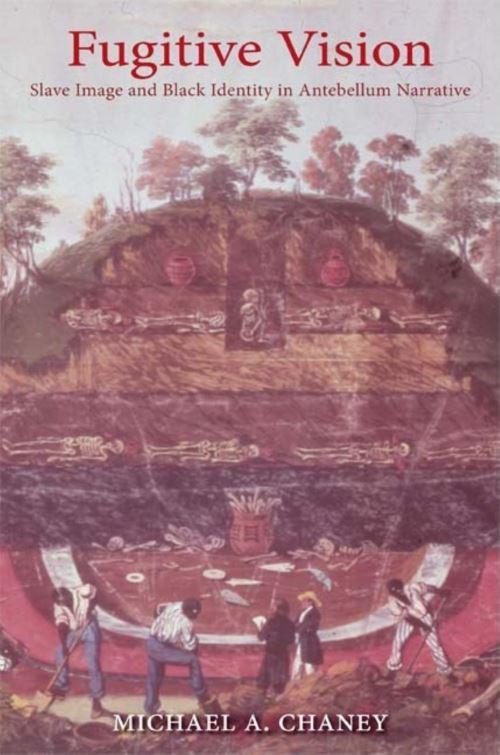
Analyzing the impact of black abolitionist iconography on early black literature and the formation of black identity, Fugitive Vision examines the writings of Frederick Douglass, William Wells Brown, William and Ellen Craft, and Harriet Jacobs, and the slave potter David Drake. Juxtaposing pictorial and literary representations, the book argues that the visual offered an alternative to literacy for current and former slaves, whose works mobilize forms of illustration that subvert dominant representations of slavery by both apologists and abolitionists. From a portrait of Douglass's mother as Ramses to the incised snatches of proverb and prophecy on Dave the Potter's ceramics, the book identifies a "fugitive vision" that reforms our notions of antebellum black identity, literature, and cultural production.
| ISBN: | 9780253221087 |
| Publication date: | 18th March 2009 |
| Author: | Michael A Chaney |
| Publisher: | Indiana University Press |
| Format: | Paperback |
| Pagination: | 272 pages |
| Series: | Blacks in the Diaspora |
| Genres: |
History of art Ethnic studies Social and cultural history Literature: history and criticism |
Analyzing the impact of black abolitionist iconography on early black literature and the formation of black identity, Fugitive Vision examines the writings of Frederick Douglass, William Wells Brown, William and Ellen Craft, and Harriet Jacobs, and the slave potter David Drake. Juxtaposing pictorial and literary representations, the book argues that the visual offered an alternative to literacy for current and former slaves, whose works mobilize forms of illustration that subvert dominant representations of slavery by both apologists and abolitionists.
Fugitive Vision features in the following genres: History of art, Ethnic studies, Social and cultural history, Literature: history and criticism
Paperback. Not Available.
Fugitive Vision was written by Michael A Chaney and published by Indiana University Press
Fugitive Vision has 272 pages
Yes it is part of Blacks in the Diaspora series