

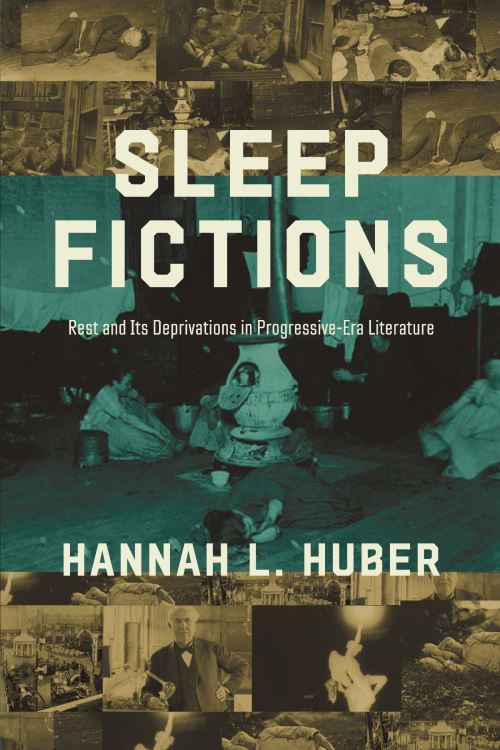
The literary response to the dawning cult of wakefulness
A turn-of-the-century influx of new technologies and the enormous impact of the electric light transformed not only individual sleeping habits but the ways American culture conceived and valued sleep. Hannah L. Huber analyzes the works of Henry James, Edith Wharton, Charles Chesnutt, and Charlotte Perkins Gilman to examine the literary response to the period's obsession with wakefulness. As these writers blurred the separation of public and private space, their characters faced exhaustion in a modern world that permeated every moment of their lives with artificial light, traffic noise, and the social pressure to remain active at all hours. The implacable cultural clock and constant stress over physical limitations had an even greater impact on marginalized figures. Huber pays particular attention to how these writers rebutted Americans' confidence in the body's ability to conquer sleep with vivid portraits of the devastating consequences of sleep disruption and deprivation.
The author also provides a website and text visualization tool that offers readers an interdisciplinary, deconstructed analysis of the book's primary texts. The website can be found at: https://sleepfictions.org/sleep/scalar/index
| ISBN: | 9780252045400 |
| Publication date: | 21st November 2023 |
| Author: | Hannah L Huber |
| Publisher: | University of Illinois Press |
| Format: | Hardback |
| Pagination: | 200 pages |
| Series: | Topics in the Digital Humanities |
| Genres: |
Literature: history and criticism Information visualization |
The literary response to the dawning cult of wakefulness A turn-of-the-century influx of new technologies and the enormous impact of the electric light transformed not only individual sleeping habits but the ways American culture conceived and valued sleep. Hannah L.
Sleep Fictions features in the following genres: Literature: history and criticism, Information visualization
Paperback, Hardback. Not Available.
Sleep Fictions was written by Hannah L Huber and published by University of Illinois Press
Sleep Fictions has 200 pages
Yes it is part of Topics in the Digital Humanities series