

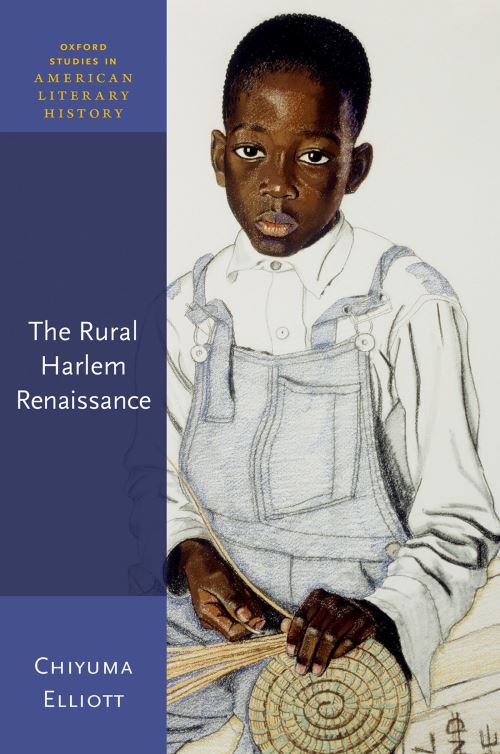
The Rural Harlem Renaissance shows how African American rural culture shaped the work and reception of well-known Harlem Renaissance artists. Scholarship on this period has focused, in the main, on Black migration to cities, and has implicitly accepted the premise that modernity was categorically urban. This book documents the distinctly rural modernity that African American farmers and others pursued in the 1920s and the role it played in defining its urban correlate. It presents the early poetry, fiction, and nonfiction of Langston Hughes, Zora Neale Hurston, and Jean Toomer, among others, against the rich archival backdrop of Black rural education, community uplift, lynching, and technical and conceptual developments. The book documents how these and other period authors who sought to represent African American rural life in the 1920s elided or accommodated the alternate rural modernity they confronted. From how Hughes used dialect to collapse the distinctions between urban and rural when he created the blues stanza to how Hurston used sartorial style and humor to fight a fierce literary battle against the respectability politics of rural uplift work, The Rural Harlem Renaissance shows the ways rural modernity is hidden in plain sight in some of the most celebrated Harlem Renaissance literature.
| ISBN: | 9780198945154 |
| Publication date: | 16th July 2026 |
| Author: | Chiyuma Elliott |
| Publisher: | Oxford University Press an imprint of OUP OXFORD |
| Format: | Hardback |
| Pagination: | 208 pages |
| Series: | Oxford Studies in American Literary History |
| Genres: |
Cultural studies Migration, immigration and emigration Rural communities Literary studies: poetry and poets |
The Rural Harlem Renaissance shows how African American rural culture shaped the work and reception of well-known Harlem Renaissance artists. Scholarship on this period has focused, in the main, on Black migration to cities, and has implicitly accepted the premise that modernity was categorically urban. This book documents the distinctly rural modernity that African American farmers and others pursued in the 1920s and the role it played in defining its urban correlate. It presents the early poetry, fiction, and nonfiction of Langston Hughes, Zora Neale Hurston, and Jean Toomer, among others, against the rich archival backdrop of Black rural education, community uplift, lynching, and technical and conceptual developments. The book documents how these and other period authors who sought to represent African American rural life in the 1920s elided or accommodated the alternate rural modernity they confronted. From how Hughes used dialect to collapse the distinctions between urban and rural when he created the blues stanza to how Hurston used sartorial style and humor to fight a fierce literary battle against the respectability politics of rural uplift work, The Rural Harlem Renaissance shows the ways rural modernity is hidden in plain sight in some of the most celebrated Harlem Renaissance literature.
The Rural Harlem Renaissance features in the following genres: Cultural studies, Migration, immigration and emigration, Rural communities, Literary studies: poetry and poets
The Rural Harlem Renaissance is available in Hardback
The Rural Harlem Renaissance was written by Chiyuma Elliott and published by Oxford University Press an imprint of OUP OXFORD
The Rural Harlem Renaissance has 208 pages
Yes it is part of Oxford Studies in American Literary History series
£72.90