

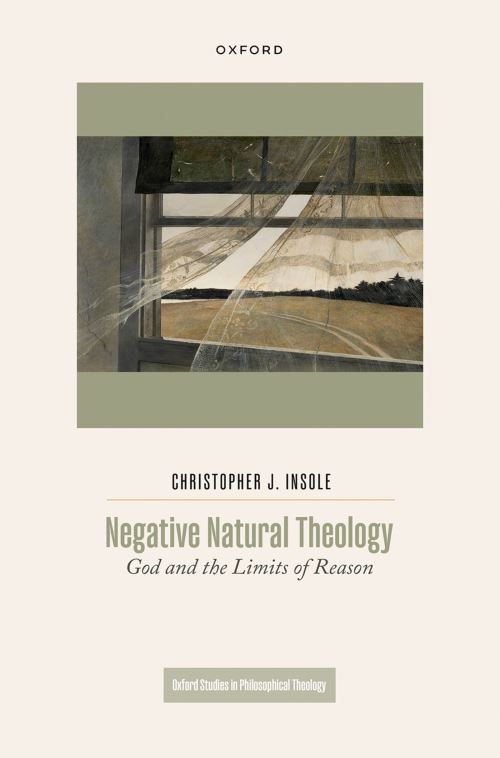
How can we live in harmony with the universe, and not just in it? What is it to feel at home in the world? Some thinkers who feel the force of these questions reach for the concept of God.
Others do not. This book asks what might be at stake in the choice of whether or not to speak about God: not just in terms of abstract reasoning or arguments about God, but in relation to deeper undercurrents of motivation and yearning. The book is interested in sites in contemporary thinking, where the concept of the divine beckons, or looms, but also, perhaps, repels, or hides.
It asks 'what is at stake' in the decision (if it is that) to talk about God and the divine, or not to do so, with a wide and deep curiosity about what this might include: reasons and arguments, certainly, but also more biographical, intuitive, and affective dimensions, including imagination, and feelings about what is valuable. Also relevant are unconscious drives and factors. Concepts can convince, or fail to convince, but, also, they can attract and repel.
The book draws on both analytical and continental post-Kantian sources, treating individual thinkers such as Immanuel Kant, William James, Carl Jung, Karl Rahner, Albert Camus, Saul Kripke, Thomas Nagel, Derek Parfit, Karen Kilby, and Janet Soskice, as well as cultural movements such as modern paganism, new atheism, and humanism. 'Natural theology' involves speaking about God without reference to revelation, tradition, or sources of authority, using the resources of 'reason alone'.
'Negative theology' is concerned with the way in which a type of abstract reasoning and rational argument run out, without this necessarily being an ending: other types of speech and communication may become possible and essential. Speaking into this space, the book draws on philosophy, theology, anthropology, literature, and psychology.
| ISBN: | 9780198932970 |
| Publication date: | 24th December 2024 |
| Author: | Christopher J Insole |
| Publisher: | Oxford University Press an imprint of OUP OXFORD |
| Format: | Hardback |
| Pagination: | 208 pages |
| Series: | Oxford Studies Philosophical Theology |
| Genres: |
Philosophy of religion Philosophy of mind Theology Christianity |
How can we live in harmony with the universe, and not just in it? What is it to feel at home in the world?
Negative Natural Theology features in the following genres: Philosophy of mind, Philosophy of religion, Theology, Christianity
Hardback. Not Available.
Negative Natural Theology was written by Christopher J Insole and published by Oxford University Press an imprint of OUP OXFORD
Negative Natural Theology has 208 pages
Yes it is part of Oxford Studies Philosophical Theology series