

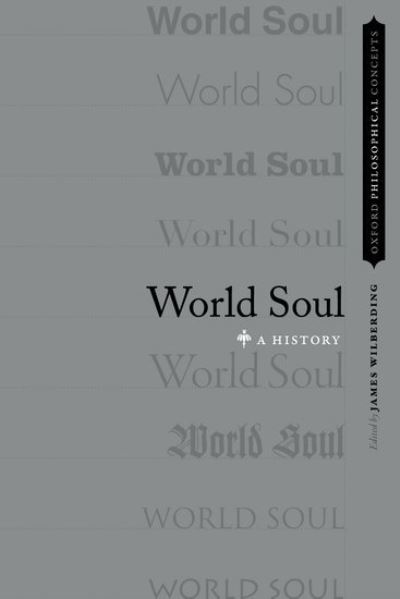
Many philosophers and scientists over the course of history have held that the world is alive. It has a soul, which governs it and binds it together. This suggestion, once so wide-spread, may strike many of us today as strange and antiquated--in fact, there are few other concepts that, on their face, so capture the sheer distance between us and our philosophical inheritance.
But the idea of a world soul has held so strong a grip upon philosophers' imaginations for over 2,000 years, that it continues to underpin and even structure how we conceive of time and space. The concept of the world soul is difficult to understand in large part because over the course of history it has been invoked to very different ends and within the frameworks of very different ontologies and philosophical systems, with varying concepts of the world soul emerging as a result.
This volume brings together eleven chapters by leading philosophers in their respective fields that collectively explore the various ways in which this concept has been understood and employed, covering the following philosophical areas: Platonism, Stoicism, Medieval, Indian or Vedântic, Kabbalah, Renaissance, Early Modern, German Romanticism, German Idealism, American Transcendentalism, and contemporary quantum mechanics and panpsychism theories.
In addition, short reflections illuminate the impact the concept of the world soul has had on a small selection of areas outside of philosophy, such as harmony, the biological concept of spontaneous generation, Henry Purcell, psychoanalysis, and Gaia theories.
| ISBN: | 9780190913434 |
| Publication date: | 3rd July 2026 |
| Author: | James Wilberding |
| Publisher: | Oxford University Press an imprint of OUP USA |
| Format: | Paperback |
| Pagination: | 408 pages |
| Series: | Oxford Philosophical Concepts |
| Genres: |
East Asian and Indian philosophy Philosophy: metaphysics and ontology East Asian religions |
Many philosophers and scientists over the course of history have held that the world is alive. It has a soul, which governs it and binds it together.
World Soul features in the following genres: East Asian and Indian philosophy, Philosophy: metaphysics and ontology, East Asian religions
Paperback, Hardback. £32.39, down from the £35.99 cover price. Not Available.
World Soul was written by James Wilberding and published by Oxford University Press an imprint of OUP USA
World Soul has 408 pages
Yes it is part of Oxford Philosophical Concepts series
£32.39, reduced from £35.99. Not Available.