

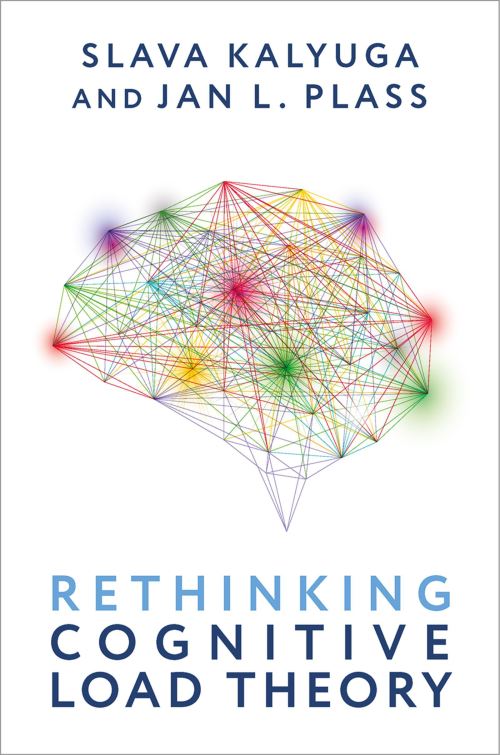
Cognitive load theory (CLT) considers instructional implications of characteristics of human cognition, such as processing limitations of working memory and the size and organization of the learner's knowledge base in long-term memory. CLT traditionally described how the limited capacity of working memory may cause cognitive overload and inhibit learning. Rethinking Cognitive Load Theory reflects on recent developments of this theory and proposes some essential modifications to improve its effectiveness in designing modern, technology-based, complex learning environments.
The book describes a way of reconceptualizing the theory so that it can better account for the multifaceted nature of learner cognition that has emerged in recent research. It considers complex learning tasks as involving various goals of learner activities that need combining cognitive, motivational, and affective perspectives. The book starts with a review of basic tenets of the current understanding of CLT, including major components of human cognitive architecture, their characteristics and effects on cognitive load.
It summarizes the modifications that have been made to CLT to date, including redefining types of cognitive load and applying an evolutionary approach. The criticisms of the theory that have been expressed over the years are reviewed and possible modifications to CLT that could enhance its usability are explored. The book considers existing instructional theories (e.g., problem-first, productive failure or invention learning) as evidence for the goal-driven approach, and offers examples of specific learning tasks and related motivational and affective goals of learner activities to illustrate the goal-driven approach to CLT using simulation- and game-based learning environments.
Finally, the book provides theoretical and practical implications of the proposed new approach. This reframing of CLT is expected to result in a more learner-cantered framework in accordance with recent trends in instructional science and educational technology.
| ISBN: | 9780190078508 |
| Publication date: | 26th November 2025 |
| Author: | Slava Kalyuga, Jan L Plass |
| Publisher: | Oxford University Press an imprint of OUP USA |
| Format: | Hardback |
| Pagination: | 136 pages |
| Series: | Oxford Scholarship Online |
| Genres: |
Cognitivism, cognitive theory Child, developmental and lifespan psychology |
Cognitive load theory (CLT) considers instructional implications of characteristics of human cognition, such as processing limitations of working memory and the size and organization of the learner's knowledge base in long-term memory. CLT traditionally described how the limited capacity of working memory may cause cognitive overload and inhibit learning.
Rethinking Cognitive Load Theory features in the following genres: Cognitivism, cognitive theory, Child, developmental and lifespan psychology
Hardback. £57.60, down from the £64.00 cover price. Not Available.
Rethinking Cognitive Load Theory was written by Slava Kalyuga, Jan L Plass and published by Oxford University Press an imprint of OUP USA
Rethinking Cognitive Load Theory has 136 pages
Yes it is part of Oxford Scholarship Online series
£57.60, reduced from £64.00. Not Available.